

Last updated: May 2026 · Reviewed by Lisa Norton, Yorkshire’s only qualified biophilic garden designer
What you get with a planting plan
A to-scale planting drawing showing every species, every position, every quantity. Hand it to your contractor or your nursery, and they will know exactly what to do.
A planting palette for your taste, chosen for your soil, aspect, microclimate and the way you want to feel in the garden.
A seasonal interest map showing month-by-month structure, flower and texture so the garden looks intentional all year round.
First-year care notes, because the first winter is when most badly-planned gardens fall apart.
First-year maintenance advice we offer two visits for the first year to guide you through your new garden of plants, how they need looking after moving forward. We can also help to move, re-plant or re-jig any areas which may need reviewing.
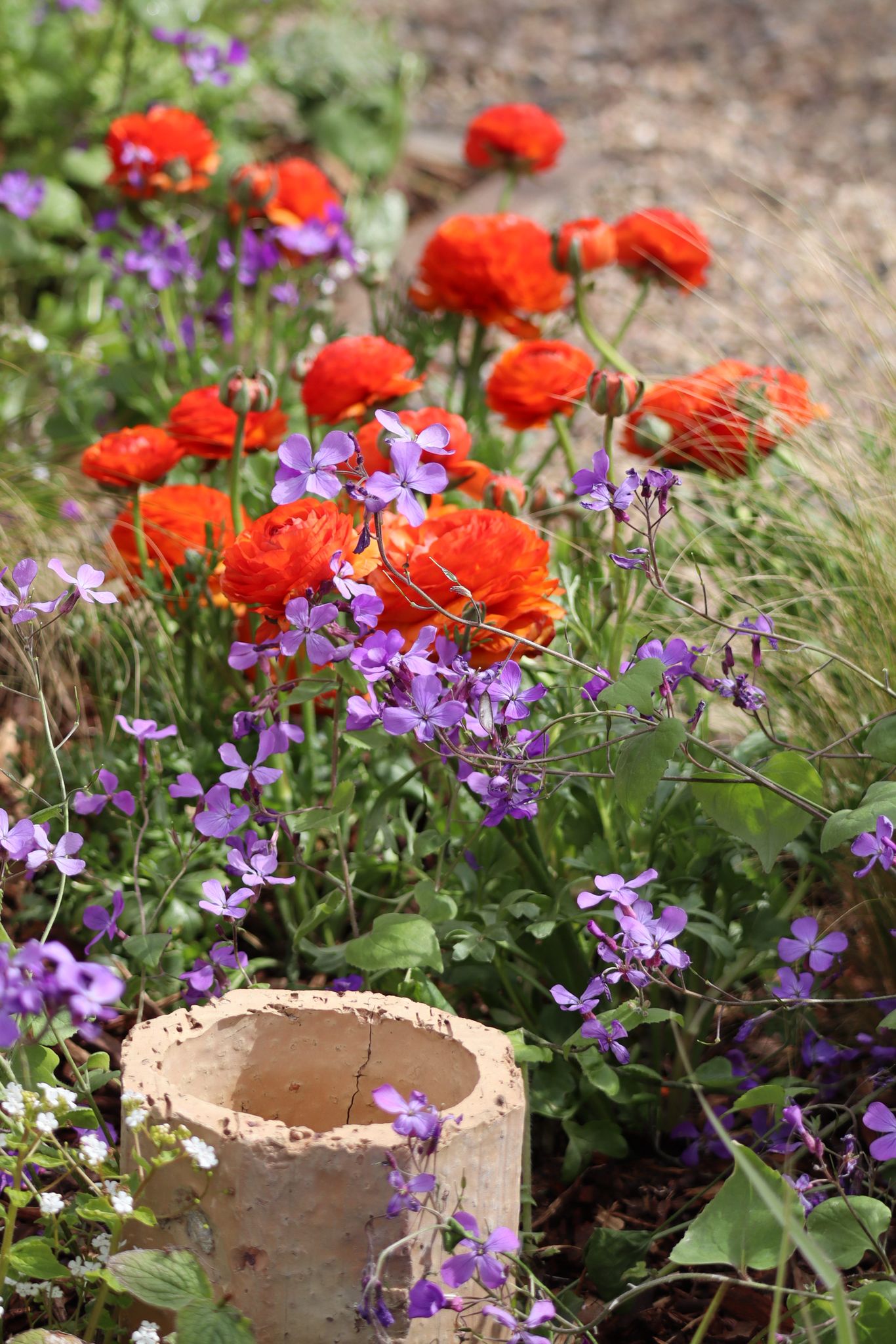
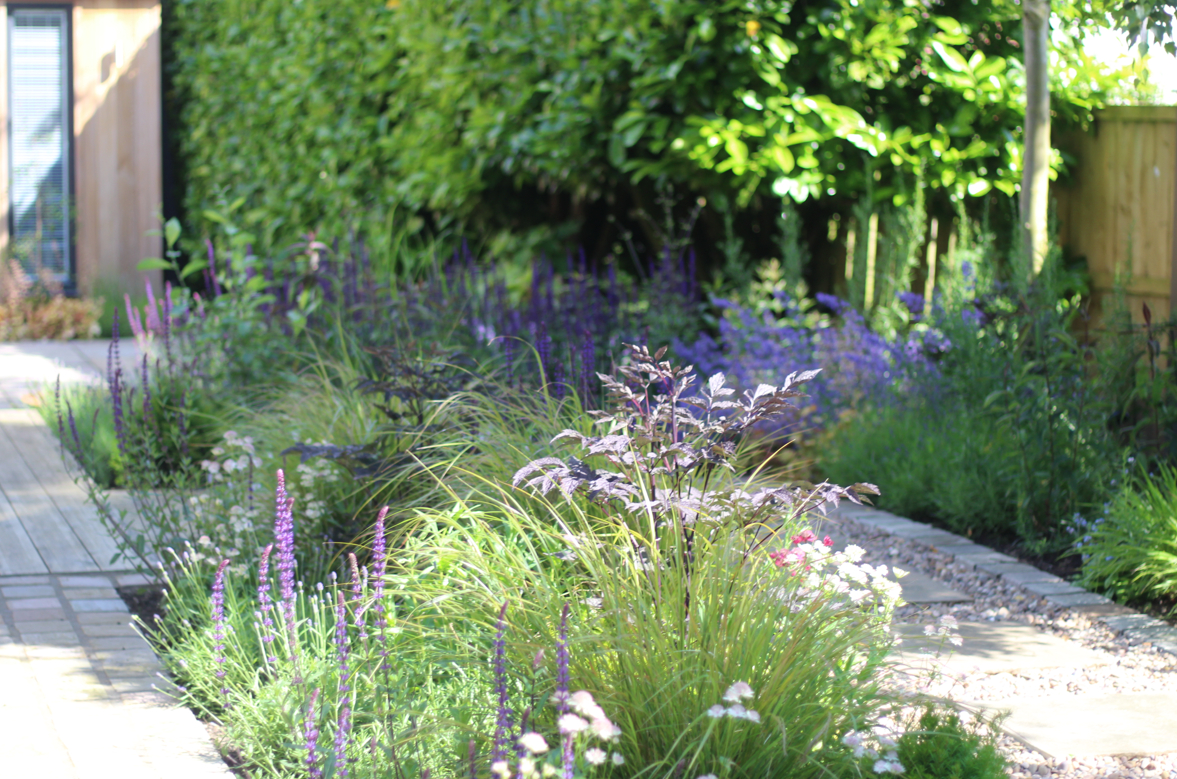
How my planting plans work, in three stages
1. Site visit and brief. I come to your garden with a tape measure, a soil probe and a camera. We talk about how you use the garden, what you keep, what you hate, what you remember loving in a garden somewhere else.
2. Plan and palette. I produce the to-scale planting plan, the seasonal map and a mood board so you can see the feeling, not just the Latin names. One round of amends is built in.
3. Sourcing and planting. I can help you source the plants from the right places. I’m on site the day the plants go in to make sure they go in the right places.
Planting design across Harrogate, Leeds and Yorkshire
Yorkshire is not a single climate. The east-facing slopes of Wharfedale are not the sheltered suburbs of Harrogate. Exposed Pennine villages above Pateley Bridge need different planting from the urban heat island of central Leeds.
The plant that thrives in a sheltered Killinghall garden will sulk and die in a windswept paddock garden ten miles north. Every plan I produce takes the local microclimate seriously, parish by parish.
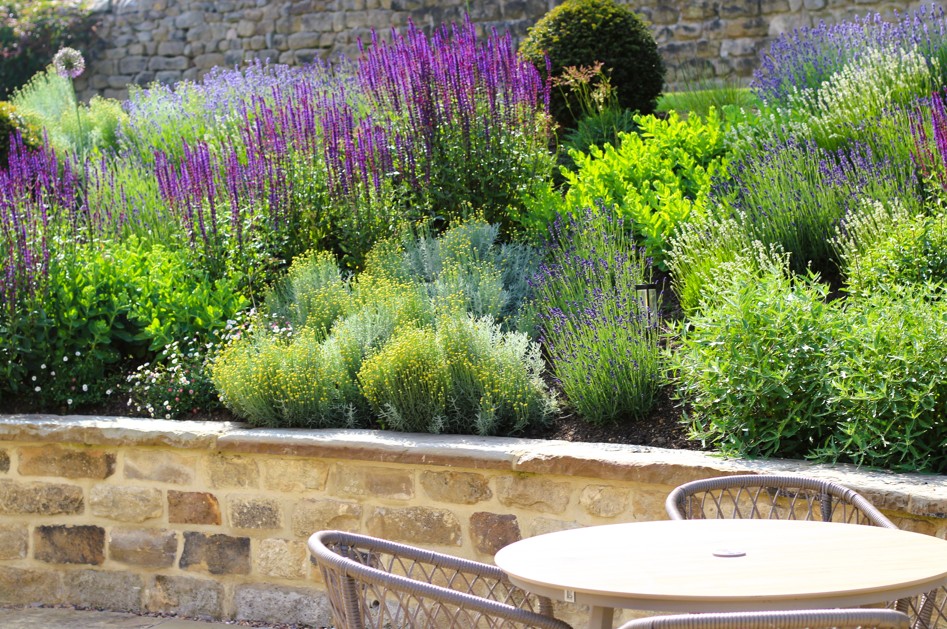
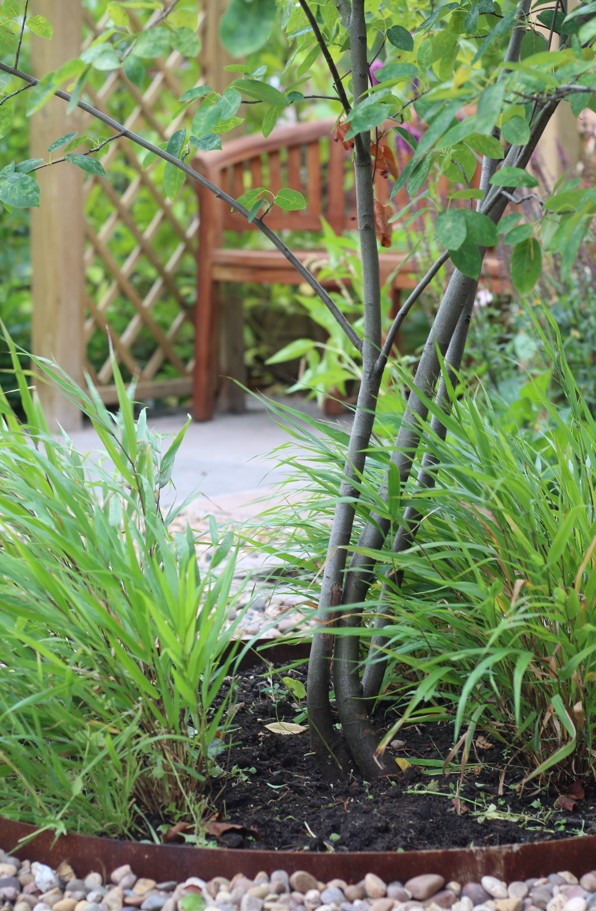
Biophilic planting for wellbeing
Biophilic planting is about more than putting a few plants in your garden. It means choosing for layered texture, for movement in the breeze, for scent at door height, for soft edges instead of hard ones, for plants you can sit among rather than just look at.
If you’re working with me on a wellbeing garden, the planting palette is built around evidence: nature contact lowers cortisol, soft fascination restores attention, and the right scent in the right place can shift mood in seconds.
“Our bland new build plot is now transformed to a wonderful space that absolutely has the wow factor. Lisa really listened to what we wanted and the planting in particular has been a joy through every season.”
, Caroline, Whinney Close, Harrogate
Who commissions a planting plan
A planting plan helps in a lot of different situations. The most common briefs we work on are:
New build owners with a blank canvas garden and compacted developer soil
Homeowners replacing tired borders that have lost their structure
Gardens where hard landscaping has just finished and the space feels bare
Privacy and screening from neighbours without losing light
Front gardens needing kerb appeal, often for sale-ready properties
Wellbeing or sensory briefs, where planting needs to do more than look nice
Architects, developers and housebuilders who need planting plans to discharge planning conditions or meet Section 106 obligations
If your brief sits somewhere else, get in touch. Most do not fit neatly into a category.
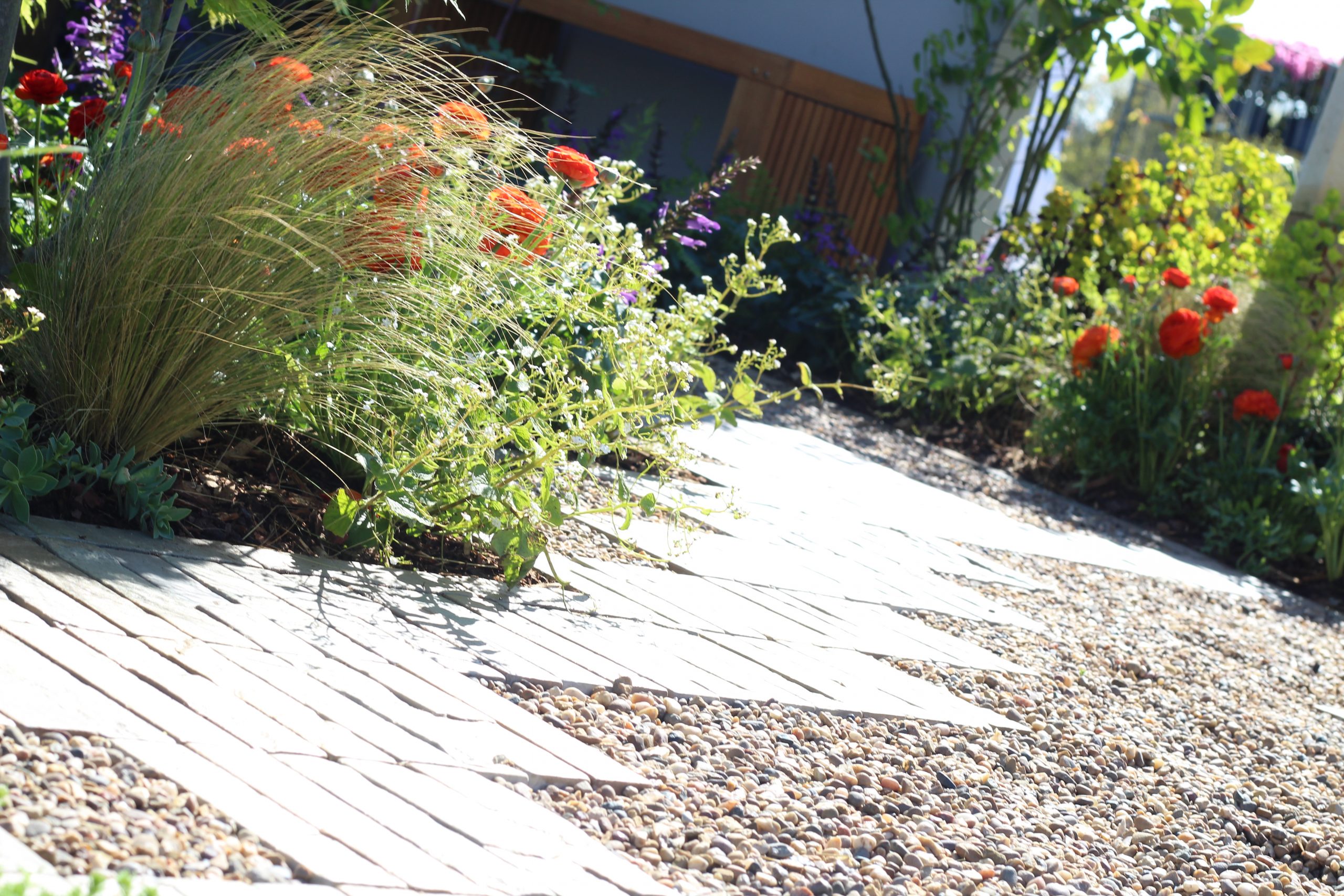
Planting styles we design
Every plan is bespoke, but most fall into one of these styles or a thoughtful blend of two or three.
Cottage garden borders: layered, romantic, generous, with roses, foxgloves and modern disease-resistant varieties
Wildlife and pollinator planting: bee, butterfly and bird-friendly species in structured, designed-looking schemes
Low-maintenance schemes: the right plants in the right place, generous mulch and a forgiving palette
Shade and woodland planting: for north-facing borders, under tree canopies and difficult corners
Prairie and naturalistic: drift planting, ornamental grasses and perennials with winter structure
Mediterranean and drought-tolerant: silver-leaved, aromatic, resilient, increasingly suited to hot Yorkshire summers
Sensory and wellbeing palettes: chosen for scent, texture, movement and the way they make you feel
Year-round structural: evergreen-led, layered for winter interest as much as summer flower
We design pollinator-friendly schemes by default and source peat-free, UK-grown plants from named nurseries we trust unless you ask otherwise.
Aftercare and ongoing planting support
A planting plan is only as good as its first three years. We offer optional aftercare so the planting establishes well and matures into the design.
Year-one check-in visit: 90 minutes on site at six and twelve months, with a written report of what's thriving, what needs feeding, and what to swap if anything has failed.
Seasonal maintenance visits: quarterly or twice-yearly, depending on the garden.
Three-year review: a full appraisal as the garden matures, with options to refresh, add layers, or adjust.
Aftercare pricing is on request. Most clients book a year-one check-in at the same time as the planting plan.
Planting plan cost in Yorkshire (2026 pricing)
Standalone planting plan from £25 per square metre of planted area (typical 50 to 100 sqm residential garden)
Single-bed planting plan from a flat fee, delivered inside two weeks
Planting plan as an add on to a full garden design.
Larger schemes, commercial gardens, school grounds and wellbeing schemes are quoted individually
A 20% deposit secures your slot.
Frequently asked questions
Why work with Harrogate Garden Design
Award-winning. Gold at Harrogate Flower Show in 2021 and 2026. Designer of the Year at the 2023 APL Awards. Featured in Modern Gardens Magazine and the Journal of Biophilic Design.
Qualified. Diploma in Garden Design, RHS Level 2 Certificate, Level 4 in Biophilic Design (Yorkshire's only qualified biophilic garden designer), currently studying Environmental Psychology and Spiritual Rewilding.
Local. Based in Harrogate, working across North and West Yorkshire, with first-hand knowledge of every microclimate from Wharfedale to the Pennines to the Leeds clay.
Personal. Every plan is by Lisa, not handed off to a junior. You get the same designer from first site visit to last planted bulb.
Ready for a planting plan you'll love for years?
Drop me a line at lisa@harrogategardendesign.co.uk or call 07917 523485. I'll arrange a site visit and we'll talk through your brief.
Most planting projects are booked four to six weeks in advance during the growing season, so the earlier you get in touch, the more flexibility you'll have on dates.